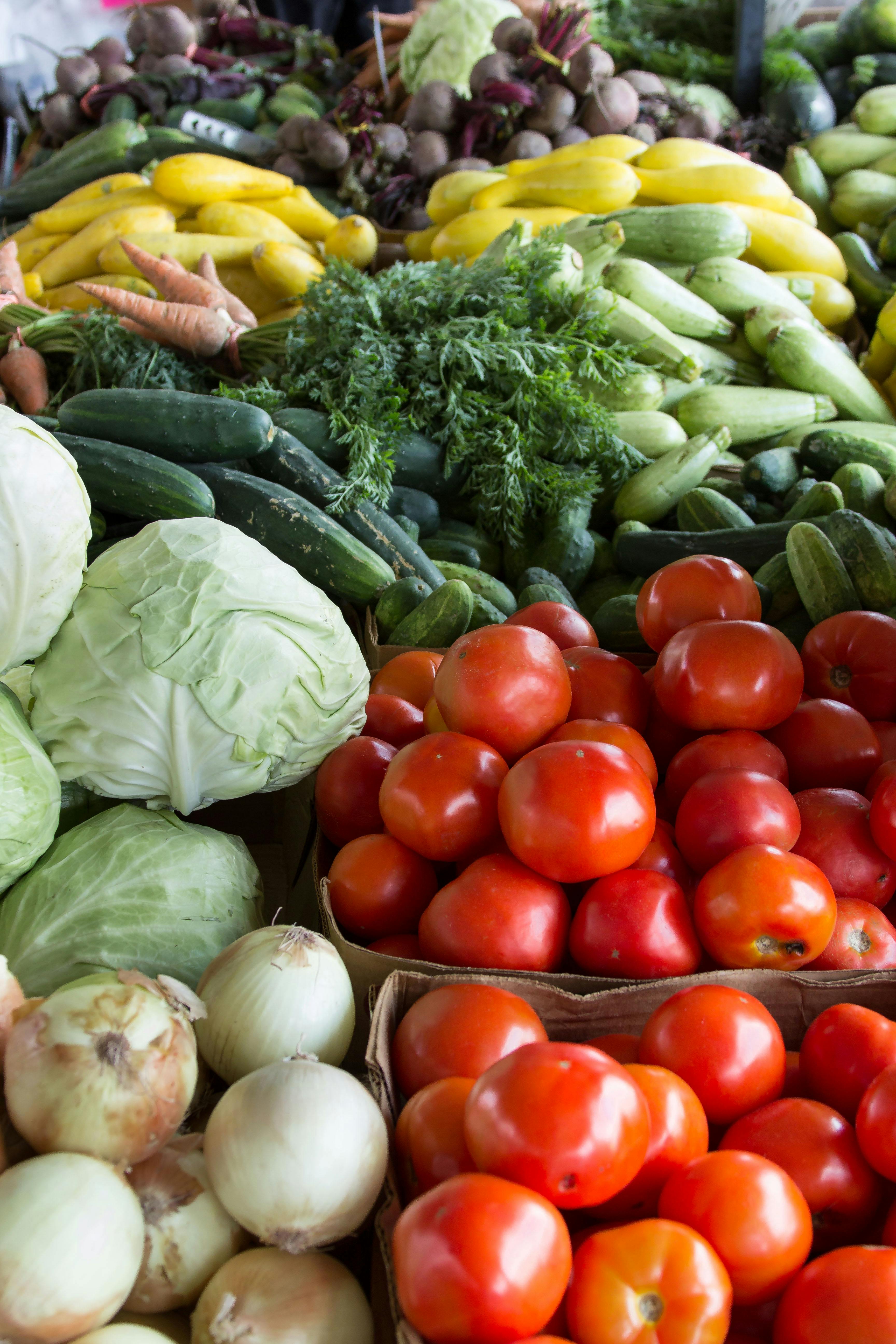
Is Farmers Market Food Actually Healthier Than Grocery Store Organic?
“What if I could reach people before they ever ended up in my operating room? That was the question that changed everything.” - Jared Wallen, MD, founder of Farm 2 Family
Is Farmers Market Food Actually Healthier Than Grocery Store Organic?
You're standing in the produce aisle, and you see two options: the regular tomatoes for $2.99 a pound, and the organic ones for $4.99. You grab the organic. You're paying more, so it must be better, right?
Maybe. But probably not in the way you think.
The organic label tells you something about what wasn't used to grow that tomato. It doesn't tell you much about what's actually in it. And that gap between "certified organic" and "genuinely nutritious" is bigger than most families realize.
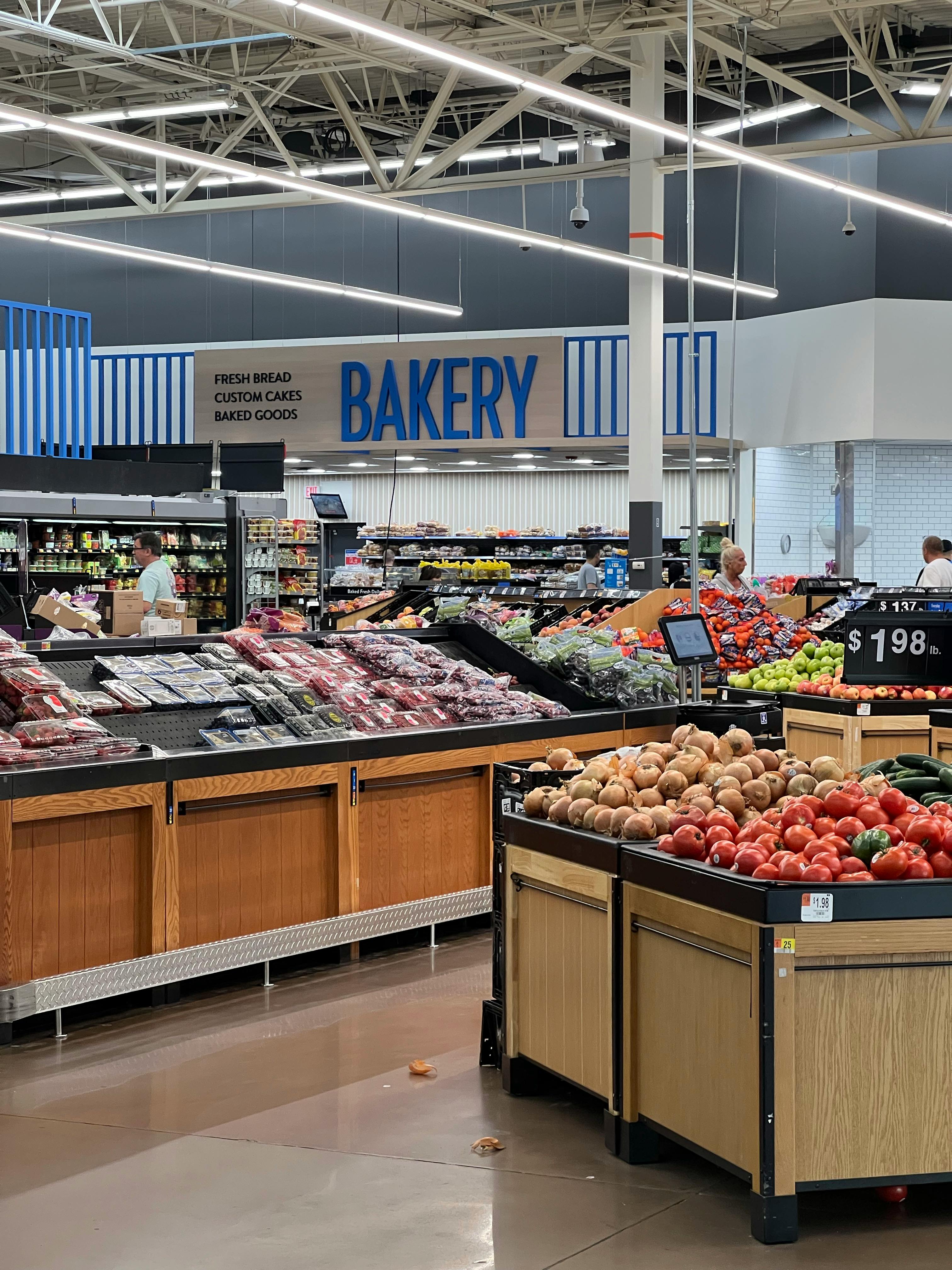
What "organic" actually means (and what it doesn't)
The USDA Organic label means a product was grown without synthetic pesticides, synthetic fertilizers, or GMOs. That's worth something. But the label doesn't address soil health, nutrient density, how far the food traveled, or how long it sat in a warehouse before it reached your store.
Most organic produce in a typical grocery chain was grown on large-scale farms, picked before it was ripe, and shipped an average of 1,500 miles in a refrigerated truck. By the time it lands in your hand, it may be days or even weeks old. And nutrient content starts declining the moment produce is harvested.
A 2004 study published in the Journal of the American College of Nutrition found that the nutrient content of 43 garden crops had declined significantly between 1950 and 1999. Protein, calcium, phosphorus, iron, riboflavin, and vitamin C all dropped. The researchers pointed to soil depletion from industrial farming practices as a primary driver.
Organic certification doesn't require farmers to rebuild soil. It only requires them to avoid certain inputs. So you can have a certified organic farm growing in depleted soil, producing food that meets the label requirements but falls short on the nutrients your family actually needs.
What makes farmers market food different
Food sold at a local farmers market was typically harvested within the last 24 to 48 hours. It was grown within 50 miles of where you're standing. And in most cases, it was grown by a small or mid-size farm using practices that go well beyond what the organic label requires.
Many of these farmers practice regenerative agriculture, which focuses on rebuilding soil health rather than just avoiding chemicals. Healthy soil produces food with higher levels of vitamins, minerals, and antioxidants. It's not just about what you leave out. It's about what the soil puts in.
A long-term study from the Rodale Institute found that organic and regenerative systems produced crops with higher antioxidant levels and better soil biology than conventional systems. The difference wasn't the label. It was the farming practice.
When you buy from a farmer who's investing in soil health, harvesting at peak ripeness, and getting it to you within a day or two, you're getting a fundamentally different product than what's sitting under fluorescent lights at the grocery store, even if both carry the same "organic" sticker.
The nutrient density question
Nutrient density is the measure of how many vitamins, minerals, and benficial compounds are in a given amount of food. It's the metric that actually matters for your family's health, and it's the one that the organic label doesn't track.
Several factors affect nutrient density:
Soil health. Plants pull their nutrients from the soil. Depleted soil produces depleted food. Regenerative farms that prioritize soil biology consistently produce more nutrient-dense crops.
Time from harvest to table. Vitamin C, for example, starts degrading immediately after harvest. A head of broccoli can lose up to 50% of its vitamin C within a week of being picked. Local food that reaches you in a day or two simply has more of what your body needs.
Ripeness at harvest. Industrial produce is often picked green and ripened artificially with ethylene gas during transit. Produce that ripens on the plant develops a fuller nutrient and flavor profile. This is why a farmers market tomato tastes different. It's also why it feeds you differently.
Variety selection. Small farms tend to grow heirloom and heritage varieties selected for flavor and nutrition. Industrial farms grow varieties selected for shelf life, uniform appearance, and ability to survive long-distance shipping. Those are different priorities, and they produce different food.
Why the label isn't enough
None of this means organic is meaningless. Avoiding synthetic pesticides is a real benefit, especially for kids. The American Academy of Pediatrics has noted that children are disproportionately affected by pesticide exposure due to their smaller body size and developing systems.
But the label has become a shortcut that lets families feel good about a purchase without asking the harder questions: Where was this grown? How healthy is the soil? How long ago was it picked? Who grew it?
Those questions matter. And they're almost impossible to answer in a grocery store aisle.
At a farmers' market, you can ask the person who grew your food directly. You can learn about their practices, visit their farm, and see for yourself how your food was produced. That transparency is worth more than any certification stamp.
The time problem (and why it's real)
Here's the part nobody wants to say out loud: most families don't have time to spend Saturday morning at the farmers market.
Between kids' sports, work, errands, and everything else competing for the weekend, the farmers market is one more thing on a list that's already too long. So families default to the grocery store, grab the organic option, and hope for the best.
That's not on you. It's a logistics problem. And it's solvable.
The answer isn't shaming families into rearranging their weekends. It's building systems that get genuinely nutrient-dense, locally grown food to families without requiring them to be at the market at 8 AM on Saturday. The food should come to you.
What this means for your family
If you're spending more on organic at the grocery store because you want the best for your family, you're making a reasonable choice with the information available. But you should know that the gap between "grocery store organic" and "local, regenerative, recently harvested" is significant.
The good news is that the regenerative food movement is growing. More small farms are adopting soil-building practices. More communities are finding ways to connect those farms directly with families. And more physicians are recognizing that the most powerful intervention they can offer isn't a prescription. It's a conversation about where food comes from and what's actually in it.
Your grocery store's organic label is a starting point. It's just not the finish line.
Frequently Asked Questions
Is organic food worth the extra cost?
Organic certification does reduce your exposure to synthetic pesticides, which matters, especially for young children. But if your goal is maximum nutrition for your family, the organic label alone isn't enough. Nutrient density depends on soil health, freshness, and farming practices that go beyond what the USDA organic standard measures. Locally grown food from a regenerative farm, even if it's not certified organic, can be more nutritious than certified organic produce that traveled 1,500 miles.
How do I know if my local farmers' market food is actually better?
Ask the farmer. Seriously. Ask them about their soil practices, whether they spray, how recently the food was harvested, and what varieties they grow. Most small farmers are proud of their work and happy to talk about it. If they're rebuilding soil, harvesting within a day or two of market, and growing for nutrition and flavor rather than shipping durability, you're likely getting a more nutrient-dense product.
What if I don't have time for the farmers' market?
You're not alone. That's the number one barrier for health-conscious families who want local, nutrient-dense food but can't carve out a weekend morning every week. Community-supported models and local food networks are starting to solve this by bringing farmers market quality food directly to families on a weekly schedule. If you're in the Asheville, Nashville, or Raleigh-Durham area and want to be first in line when that option becomes available, join our waitlist at farm2family.community.
Farm 2 Family is a doctor-guided regenerative food network that connects local farms with families who want real nutrition, not just labels. We're building in Asheville, Nashville/Franklin, and the Triangle. Join the waitlist to get founding member access when we launch.
